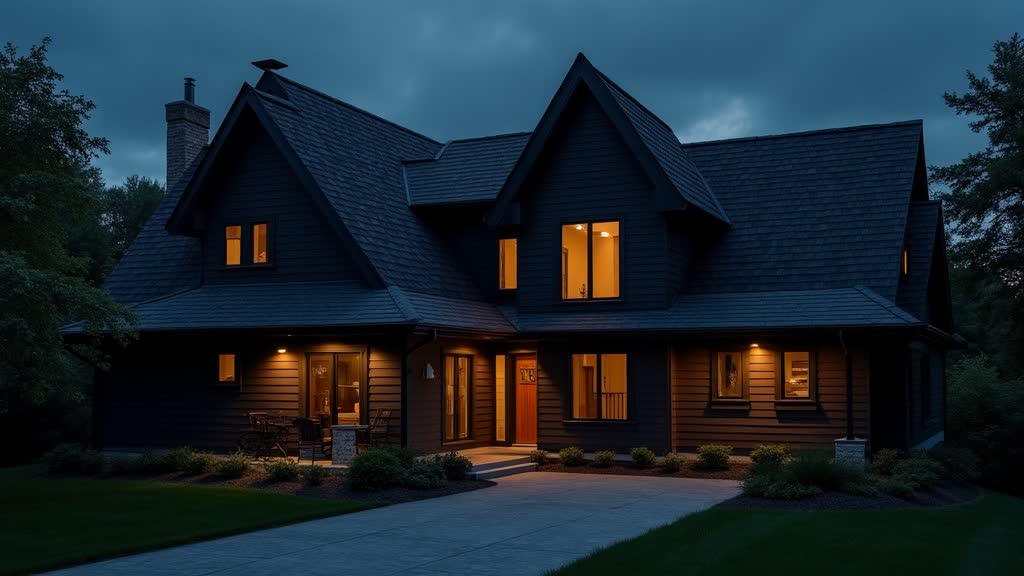
Roof Repair in St. Petersburg, FL
Fixed for the House You Actually Own.
Roof repair in St. Petersburg looks different on a 1920s bungalow than on a postwar block home or a house on the bay. We repair what failed, price it as a repair, pull the permit the city requires, and put photos of every fix in your homeowner portal.
Takes about 30 seconds. A local roofing specialist follows up the same business day.
Most roofs in St. Petersburg don’t fail all at once. One part gives out first, and which part depends a lot on when the house was built. A Mediterranean Revival home in the old north side and a block ranch out west can both leak during the same August storm for completely different reasons, and the right roof repair for each looks nothing alike.
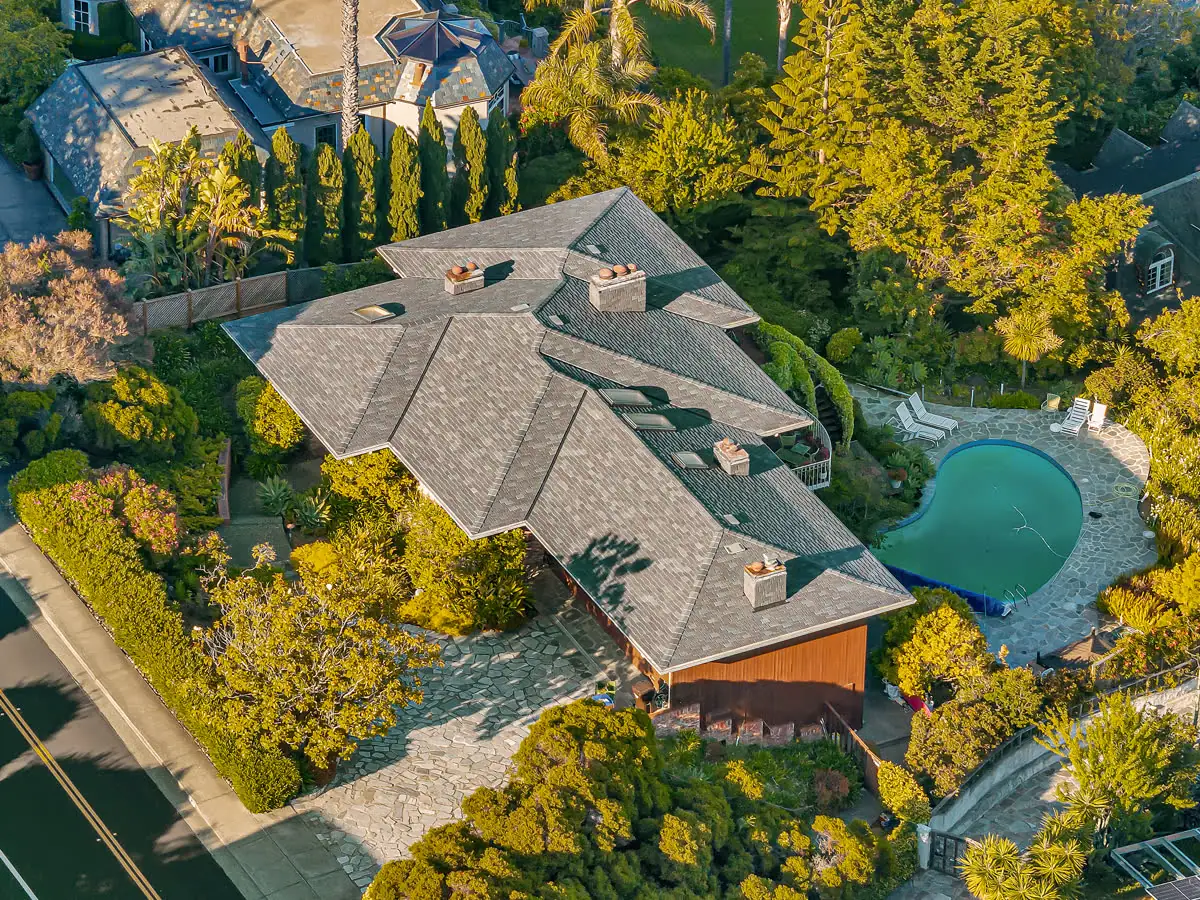
So we start with the house. Before anyone comes out, the roof is measured from high-resolution imagery, so we already know its slopes, valleys, additions and penetrations. On the visit we confirm what era of roof we’re looking at, check the spots that era tends to lose first, and photograph whatever we find.
Roof Repair in St. Petersburg by the Age of the House
St. Petersburg grew in waves. The 1920s boom filled the streets near downtown and along the bay. The Gandy Bridge opened in 1924. During World War II, more than 100,000 trainees came through the city, and many stayed, which left a postwar housing shortage and a building surge to fill it. Later decades pushed the city further out, and the bayfront and islands filled in along the way.
Each wave left its own roof problems. Knowing the era is no substitute for an inspection, but it tells us where to look first. The sections below cover what we commonly run into on each kind of St. Petersburg home and how we fix it.
What Usually Fails First, by Era
- Homes from before 1940Old patches stacked on patches, chimney and wall flashing, plank decking
- Postwar block homesPipe boots, the joint at low-slope additions, soft decking at the eaves
- Homes from the 1960s onValley and skylight flashing, lifted shingle edges, tired vents
- Bayfront and island homesRusted nails, drip edge and flashing, edges lifted on the water side
Homes Built Before 1940: Old Patches and Board Decking
The oldest St. Petersburg neighborhoods, such as Roser Park, Kenwood, Old Northeast and the older streets north of downtown, have houses that are often a century old. Their roofs have been worked on by many people over many decades, and the evidence is usually right on top.
What we commonly find on these roofs:
- Patches over patches. A dab of roof cement gets covered by a few new shingles, which later get covered by another patch. Each layer traps water instead of shedding it, and the leak moves a little every time.
- Flashing hidden under sealant. At chimneys, parapets and the walls of a second story, the original metal is often still there, buried under years of caulk. Once the sealant cracks, water runs straight behind it.
- Board decking. Many older homes have wood planks under the roof instead of plywood sheets. Boards shrink and leave gaps, and nails lose their grip in old wood. A repair has to account for that or the new shingles won’t hold.
- Tile and parapet caps. In Granada Terrace, the city’s guidelines note that many houses have Spanish tile roofs or parapet caps. Cracked caps and failed underlayment under tile are common repair calls on that style of house.
On these roofs we open up the problem area before we commit to a fix. Sometimes that shows a small, clean repair. Sometimes it shows rotted boards that need replacing first. Either way, the photos come before the price, so you see why the repair is what it is.
Postwar Block Homes and Their Usual Failures
A large share of St. Petersburg’s houses went up after the war: concrete block walls, low hip or gable roofs, and in many cases a flat or low-slope room added on later. The houses are solid. Their roofs give out in the same few places.
- Pipe boots. The rubber collar around each plumbing vent dries out and splits in the sun long before the shingles do. A leak over a bathroom or the kitchen often starts here.
- Decking at the eaves. Low roofs with short overhangs take a lot of water at the edge. Gutters that overflow, or no gutters at all, keep the lowest course of decking wet until it softens and the drip edge pulls away.
- The tie-in to an addition. Where a flat Florida room or carport roof meets the main roof, the joint takes runoff in every storm. A weak seam there leaks into the wall, not the ceiling, which makes it easy to miss.
- Low pitch. Shingles on a shallow roof shed water slowly. Wind-driven rain can push under lifted edges more easily than on a steep roof.
Most of these are true repairs. A new pipe boot, a rebuilt eave or a resealed tie-in costs far less than a roof and buys the existing one real time. If the flat section itself is the problem, our flat roofing page covers those roofs in detail.
- Pipe boots The rubber collar cracks in the sun
- Wall and chimney flashing Lifts or loses its sealant
- Valleys Two roof planes drain through one channel
- Lifted shingles Storm gusts break the seal strip
- Skylights and vents Seals age out around the edges
- Flat-to-pitched seams Where a porch or addition ties in
Later Homes: Flashing, Vents and Edges
On St. Petersburg homes from the 1960s onward, the field of shingles or tile is often in better shape than the details around it. Repairs on these houses usually come down to metal and openings.
Valleys collect water from two slopes and wear out first when the metal underneath has rusted or the shingles were cut short. Skylight curbs and wall step flashing open up as the house settles and the sealant ages. Box vents and turbine vents crack or lose fasteners. After years of heat, the seal strips on shingle edges weaken, and summer gusts start lifting tabs along the eaves and rakes.
None of that means the roof is finished. We replace the flashing, reset or replace the vents, and reseal or replace the lifted shingles, matching the existing roof as closely as today’s products allow. If the covering has faded, we tell you up front how a new section will look next to the old one.
Bayfront and Island Homes: Salt, Wind and Surge
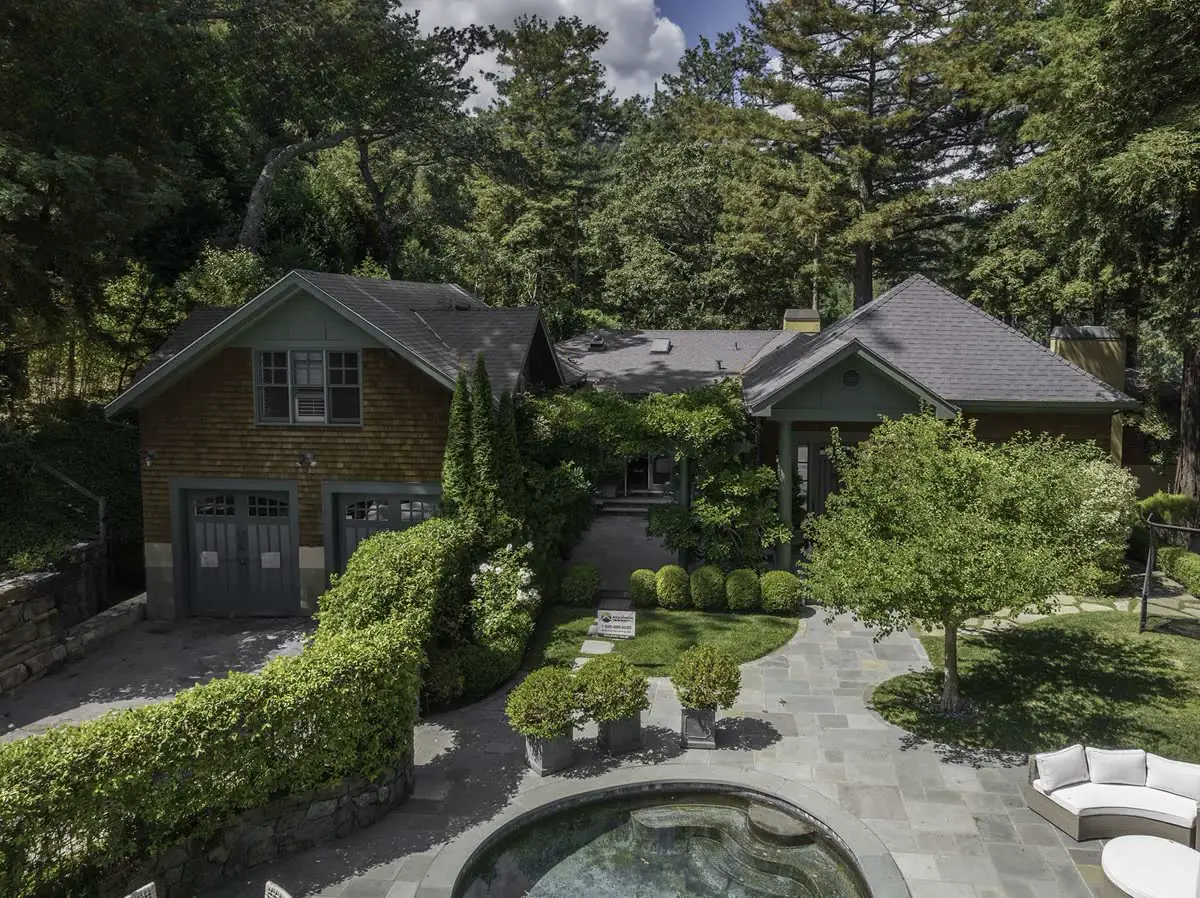
Homes along the bay and on the islands, such as Snell Isle, Shore Acres, Coquina Key and Venetian Isles, face things a house a mile inland doesn’t. Snell Isle opened in 1925 on filled bay bottom, and these were among the neighborhoods covered by bay water during Helene’s surge, which set a record of 6.31 feet at the St. Petersburg tide gauge.
On the roof itself, salt air is the slow problem. It eats nails, drip edge and flashing from the inside out, so a roof covering that looks fine can be held down by rusting fasteners. Edges facing open water take the strongest wind. When we repair a bayfront roof, we check the metal parts as carefully as the shingles or tile, and the repair uses fasteners and trim made for coastal exposure.
If your home is in a flood zone, there’s one more number to know. The city uses a 49% substantial-damage rule, and re-shingling, re-tiling and decking all count toward it. That matters more for big storm repairs than for a pipe boot, but we’ll tell you where your job sits. Storm-specific repairs have their own page: storm damage roof repair.
Repairs in a Historic District
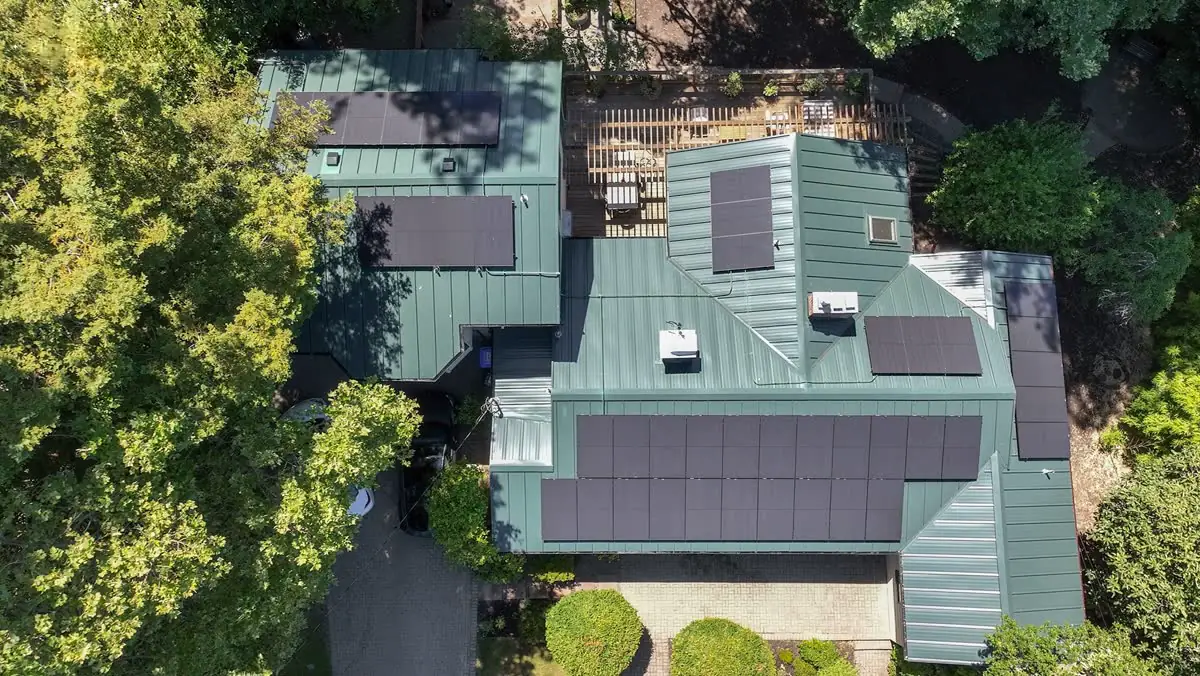
If the house is in one of St. Petersburg’s local historic districts, or is a local landmark, the city requires a Certificate of Appropriateness before exterior work, and changes to the roof are the first example its code gives. For a repair with the same materials and the same roof shape, the city’s matrix makes that a staff approval.
Changing the material or the shape is different. For landmarks and contributing homes, that goes to the Community Planning & Preservation Commission. The city’s design guidelines favor matching materials and discourage changing a roof’s shape where it’s visible from the street. A National Register listing on its own, which covers most of Old Northeast and Kenwood, does not restrict a private owner’s alterations unless federal money is involved. We sort out which one applies to your address before we schedule the work.
Roof Repairs on Historic Properties
- Local district or local landmark
- A Certificate of Appropriateness before exterior roof work
- Same materials and same shape
- Staff approval under the city's COA matrix
- New material or new shape
- Goes to the CPPC for landmarks and contributing homes
- National Register listing only
- No restriction on a private owner's alterations unless federal money is involved
- Questions for the city
- [email protected]
Priced as a Repair, Not Sold as a Roof
A repair visit shouldn’t be a sales pitch for a new roof. When one part has failed and the rest of the roof is sound, we quote the repair, and that’s the whole conversation. If we find several pipe boots or a long run of flashing in bad shape, we’ll suggest fixing them together while we’re already up there, and show you photos of each one.
We bring up replacement only when the photos make the case: shingles that crack when lifted, soft decking in more than one area, tile slipping across the roof, or leaks on several slopes. At that point repairs tend to be money spent twice. You make the call. If you go with a new roof, you get Good, Better and Best options for a roof replacement that you can sign from your phone, with the price locked once it’s sent, a matched system from one manufacturer bought direct, and our 15-year workmanship warranty in writing on top of the manufacturer’s.
If what you have is an active leak and you don’t know where it’s coming from, start with our roof leak repair page. We stop the active leak first, then find the source.
Repair It or Replace It?
- One failed spot on a sound roofA repair, quoted as a repair
- Several failed pipe boots or flashing runsStill a repair, done all at once while we are up there
- Soft decking in more than one areaWe show you the photos and talk about replacement
- Brittle shingles or slipped tile across the roofRepairs would be money spent twice
The 25% Rule and the 2007 Exception
Florida’s existing-building code puts a limit on how much of a roof can be repaired before the rest of it gets pulled in. Under Section 706.1.1 of the 2023 code, no more than 25% of the total roof area or a roof section can be repaired, replaced or recovered in any 12-month period unless the whole roof or section meets current code.
There’s an important exception in state law. Florida Statutes 553.844(5) says that if the existing roof was built, repaired or replaced in compliance with the 2007 Florida Building Code or later, only the part being repaired has to meet the current code. Local governments can’t amend that.
In practice, the 25% line mostly matters on older St. Petersburg roofs, installed before the 2007 code, that have needed a lot of work in one year. We check the permit history for when your roof was last replaced, measure the repair against the roof from the imagery, and tell you which side of the line you’re on before you get a price.
When a Repair Runs into the Code
No Small-Repair Permit Exemption Inside City Limits
Some nearby cities let a very small roof repair skip the permit. St. Petersburg doesn’t. The city requires a permit for anyone who plans to repair or replace regulated work, and roofing is not on the Building Official’s exempt list. The city’s newer exemption form under Florida HB 803 covers single-family work under $7,500 outside flood hazard areas, and it names roofing as one of the things it leaves out.
So a roof repair in St. Petersburg city limits gets a permit, and the city inspects it. Its roofing inspections include In-Progress Roof and Roof Final. We pull the permit in our name, schedule the inspections and close it out, and cleanup is included. You never file anything yourself.
A St. Petersburg mailing address doesn’t always mean the city, though. Lealman, Tierra Verde and Feather Sound are unincorporated, so Pinellas County permits roofs there. Our pages for Lealman, Tierra Verde and Feather Sound cover those areas, and Gulfport runs its own building department.
Repair Permits Around St. Petersburg
- Inside city limits
- A permit for roof repairs, from the Construction Services & Permitting Division
- Roofing on the exempt list
- Not there, and the under $7,500 exemption leaves it out
- Licensed contractor
- Required for work of $1,000 or more under F.S. 489.103
- City inspections
- In-Progress Roof and Roof Final
- St. Petersburg mailing address, county parcel
- Pinellas County permits it; check pcpao.gov
Photos of Each Fix in Your Portal
Most of a roof repair ends up hidden. The new flashing goes under shingles, the replaced boards go under underlayment, and the pipe boot gets covered by the course above it. Once it’s done, there’s nothing to see from the yard.
That’s why every repair is photographed in stages: the problem as we found it, the damaged layers once they’re open, and the finished fix. The photos go into your homeowner portal along with the schedule, the permit, your documents and a message thread with us. If the damage came from a storm, the same photos make a documented photo report you can share with your insurer, and the claim stays between you and your insurance company.
Not sure what’s going on up there? A free roof inspection gives you the same photos before any work is planned.

How a Roof Repair in St. Petersburg Works With Us
- 01
Send Your Address
We measure the roof from high-resolution imagery and check the permit history.
- 02
We Inspect It for Free
The problem gets found and photographed, along with anything else your home’s era tends to lose.
- 03
You Approve the Repair
The quote covers the repair, and you sign from your phone.
- 04
We Fix It
Permit pulled in our name, inspections scheduled, cleanup included.
- 05
You Get the Record
Before and after photos go into your portal.
All repairs are done under Florida certified roofing contractor license CCC1336568, with liability and workers’ comp coverage. Looking at the bigger picture for your house? See our residential roofing page.
Roofs We're Proud Of
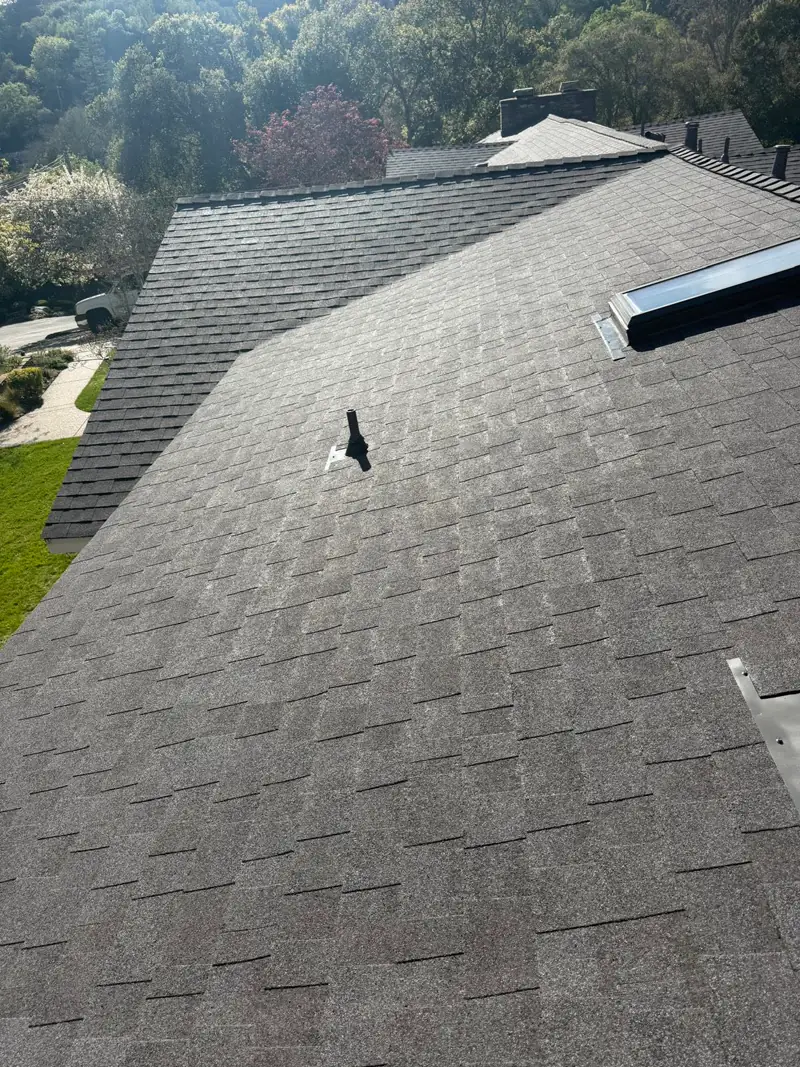
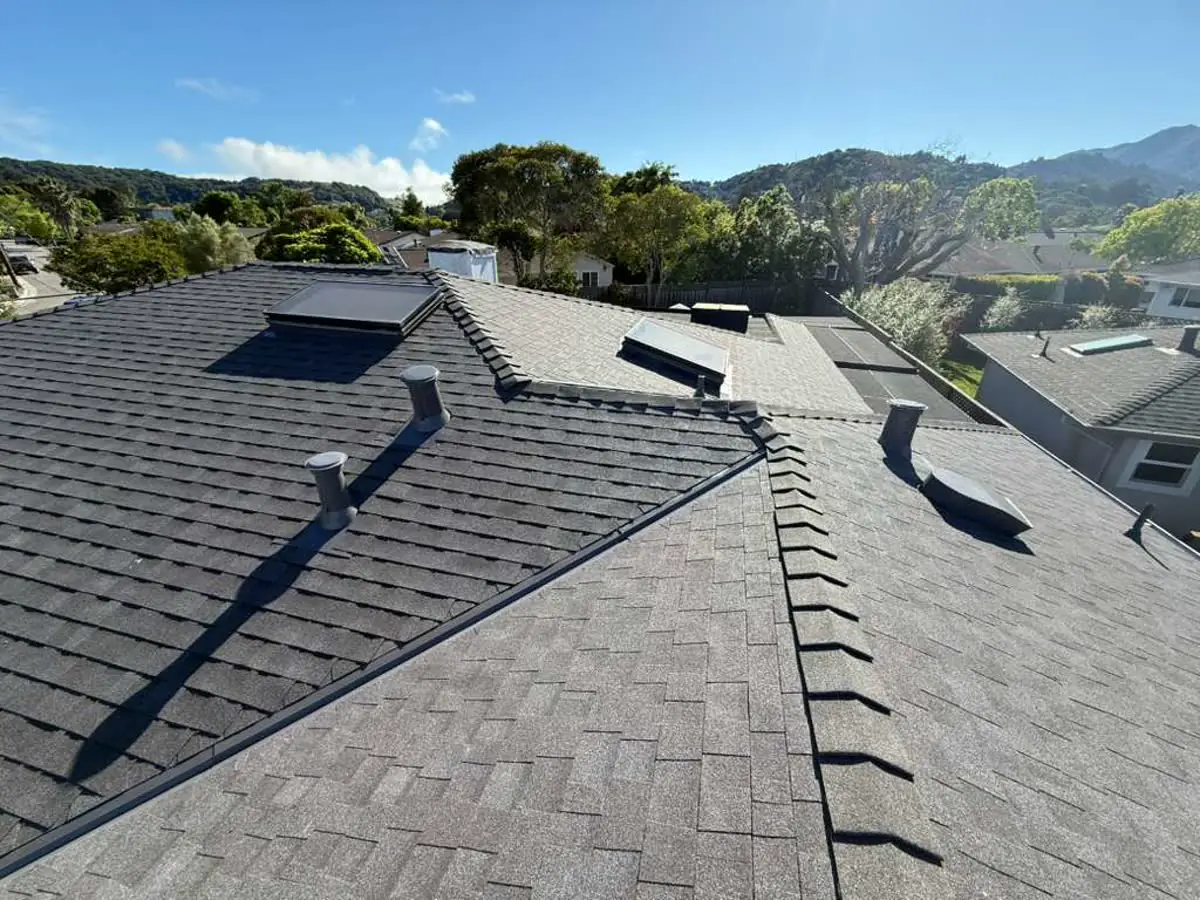
Year workmanship warranty in writing, on top of the manufacturer's warranty on your materials.
Every permit filed by us, every roof built to the Florida Building Code. No forms for you.
The old roof is hauled off and a magnet sweeps the lawn and driveway for nails before we go.
Florida certified roofing contractor CCC1336568, with liability insurance and workers' comp.
Monthly payment options let you replace the roof now and spread out the cost.
Roof Repair Questions from St. Petersburg Homeowners
How Old Does a House Have to Be Before You Change How You Repair It?
There's no single cutoff, but the work changes with the era. On the oldest houses we plan for stacked patches and board decking. On postwar block homes we look hard at pipe boots, eaves and low-slope additions. On newer homes it's usually flashing and vents. The inspection photos tell us which one we're dealing with.
Can You Replace Only the Flashing and Leave the Shingles Alone?
Often, yes. Step flashing, counterflashing and chimney flashing can be replaced by lifting the shingles or tile next to them and setting them back. If the surrounding covering is too brittle to lift without breaking, we tell you before we start.
Does Replacing a Few Shingles Count Toward the 25% Rule?
Every repair counts toward the 25% of the roof or roof section repaired in a 12-month period. A few shingles is a tiny share. It becomes a real question when repairs keep stacking up over the same year on a roof that was installed before the 2007 Florida Building Code.
How Do I Know If My Roof Was Built to the 2007 Code or Later?
The permit history for the address is the usual place to look. The city or county permit record shows when the roof was last replaced. We check it as part of the inspection, since it decides whether the exception in Florida Statutes 553.844(5) applies.
Will You Try to Sell Me a New Roof When I Asked for a Repair?
No. If a repair fixes the problem, that's what we quote. If the roof is past repair, we show you the photos that say so, and you decide. There is no pushy sales visit either way.
Is There a Monthly Payment Option for a Repair?
Yes. Monthly payment options cover repairs, not only new roofs.

Get Your St. Petersburg Roof Measured, Free.
Enter your address. We'll handle everything else.