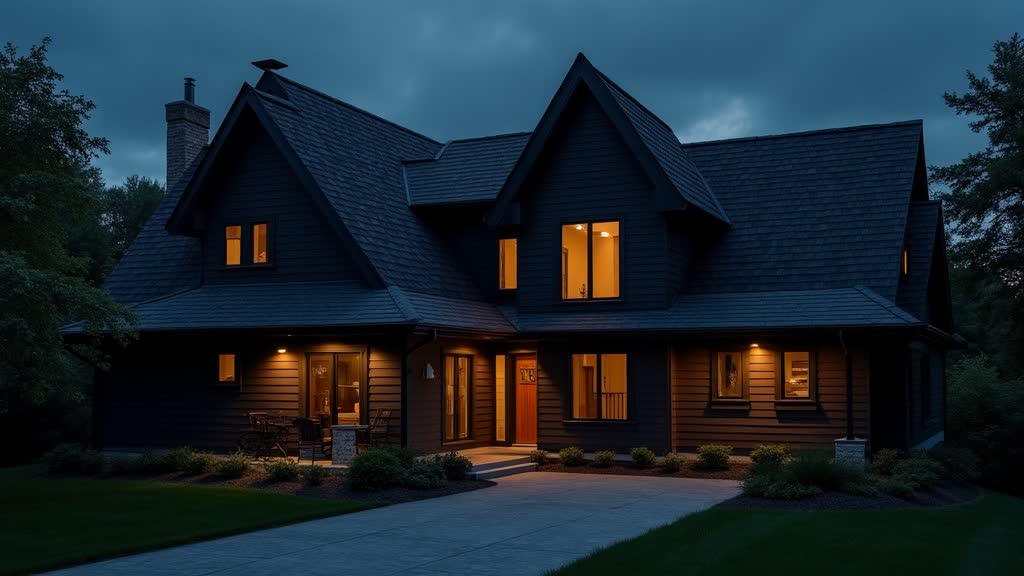
Commercial Roofing in St. Petersburg, FL:
Your Building Stays Open While We Work.
Commercial roofing in St. Petersburg for storefronts, offices, churches, restaurants and multifamily buildings. Every roof we put on carries our 15-year workmanship warranty in writing, the roof is measured from high-resolution imagery before anyone climbs a ladder, and owners and property managers follow the whole job in one portal.
Takes about 30 seconds. A local roofing specialist follows up the same business day.
Where We Do Commercial Roofing in St. Petersburg
Most of the commercial roofs we see in St. Petersburg sit along a handful of roads. Central Avenue runs through the middle of the city with long rows of storefronts, restaurants and small offices, many sharing walls and roof edges with the building next door. 4th Street North carries shops, medical offices and service businesses north of downtown. 34th Street, which is US-19 through the city, is lined with strip centers, auto businesses and freestanding retail. Tyrone Boulevard on the west side has its own run of plazas, and the Gateway area to the north holds office buildings and flex space. Downtown adds mixed-use buildings and condominium towers.
We work on all of them. The roofs vary a lot. A Central Avenue storefront may have a small flat roof hidden behind a parapet, a 34th Street plaza may have one long low-slope roof covering eight tenants, and a church off Tyrone Boulevard may be steep shingle over the sanctuary with a flat roof over the fellowship hall. If your address says St. Petersburg but the parcel is outside city limits, the permit comes from Pinellas County instead. A quick search on the Pinellas County Property Appraiser site (pcpao.gov) tells you which, and we check it before we quote.
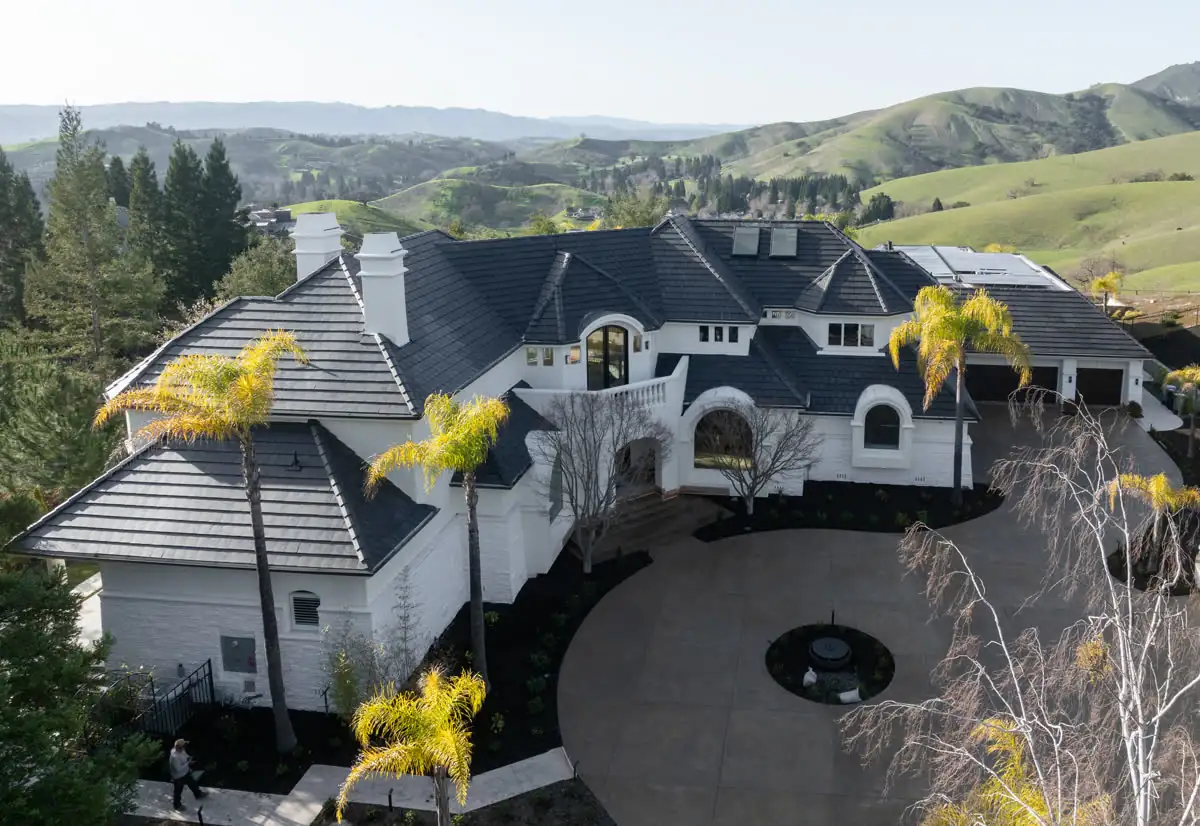
Four Roof Systems for Commercial Buildings
We install four systems on commercial work, and the building decides which one:
- TPO. A single-ply membrane with heat-welded seams for flat and low-slope roofs. It is the common choice for retail and office roofs with rooftop units.
- Modified bitumen. A multi-ply membrane for flat and low-slope roofs where the surface takes foot traffic or where layers of protection make sense.
- Metal. For pitched commercial roofs, canopies and the sloped sections over entrances. See our metal roofing page for the details.
- Shingle. For smaller offices, churches, clubhouses and multifamily buildings with a pitched roof, covered on our shingle roofing page.
Each roof is built as a matched system from one manufacturer, which we buy direct. Slope decides most of it. Florida code requires a secondary water barrier whenever a roof covering is removed and replaced, with an exception for slopes under 2:12 with a continuous roof system, so low-slope membranes and pitched roofs are detailed differently from the deck up. For flat sections on smaller buildings, our flat roofing page goes further.
- The tie-in Where the flat section meets the main roof, the classic leak point
- Ponding water Low spots hold water after a storm and wear the membrane out early
- The edge and drain Water has to reach the gutter or drain, or it backs up
The Same Warranty and Portal on Every Commercial Roof
A commercial roof does not get a lesser version of what our homeowners get. Every new roof carries a 15-year workmanship warranty from us, in writing, on top of the manufacturer’s warranty on the materials. If something we installed fails because of how it was installed, we come back and fix it.
The portal comes with it. The schedule, the permit, the signed quote, photos of each stage and the warranty document all sit in one place you can open from your phone. When a building changes hands or a new property manager takes over, the roof’s history goes with it instead of living in someone’s inbox. We are a Florida certified roofing contractor, license CCC1336568, with liability and workers’ comp coverage, and those documents are in the portal too.
What Every Commercial Roof Comes With
- Workmanship warranty
- 15 years, in writing
- Materials
- A matched system from one manufacturer, bought direct
- Permit
- Pulled in our name, closed after the final inspection
- Records
- Photos, documents and messages in your portal
- License
- CCC1336568, with liability and workers' comp
Repair or Replace a Commercial Roof
The honest answer on many St. Petersburg commercial roofs is that they need repairs, not a new roof. A membrane can be sound across most of its surface and still leak at a few details: a curb around an air conditioning unit, an opened seam, a cracked boot on a vent pipe, coping that has pulled away from a parapet. Fixing those can buy years, and our roof repair page explains how we approach that work. If water is coming in right now, we stop the active leak first and sort out the rest after.
Replacement is the better spend when water has reached the insulation under the membrane. Wet insulation stays wet, adds weight, stops insulating and keeps soaking the membrane from below. Large areas of blistering, splits across the field of the roof, or a history of leaks that keep moving from one tenant to the next point the same way. Florida’s 25% rule also matters here: no more than 25% of a roof section can be repaired or replaced in a 12-month period unless that section meets the current code. The exception is a roof built, repaired or replaced under the 2007 Florida Building Code or later, where only the new portion has to meet it.
Your quote lays out the options side by side, so you can compare a repair against a roof replacement on the same page.
The 49% Rule for Commercial Buildings in Flood Zones
St. Petersburg does not use the 50% figure most Florida cities quote. Its floodplain ordinance sets the substantial damage line at 49% of the structure’s market value before the damage. The rule covers every building in the Special Flood Hazard Area, commercial ones included, and it applies to all repairs, even when the damage didn’t come from flooding.
The roof counts. The city’s Substantial Improvement and Damage package lists re-roofing and roof decking among the costs to include, and the package is required once a job reaches 25% of the structure’s market value. If the combined repairs cross 49%, the whole building has to come into full compliance with current flood rules, including elevation to the Design Flood Elevation. For a commercial property, that is a much bigger project than a roof.
This became a real question after 2024. Helene pushed a record 6.31 feet of surge above the high tide line at the St. Petersburg tide gauge, and two weeks later Milton brought a 101 mph gust at Albert Whitted Airport and tore the fabric roof off Tropicana Field. Plenty of buildings took water first and lost roofing second. If yours is one of them, we price the roof early so you can see the full repair total before anything is signed. Our storm damage roof repair page covers the storm side of this in more depth.
Substantial Damage for St. Petersburg Commercial Buildings
Permits and City Inspections on a Commercial Job
St. Petersburg has no small-job exemption for roofing. Any roof repair inside city limits needs a permit from the Building Department’s Construction Services and Permitting Division, and all storm-damage repair work needs one too. We pull the permit in our name through the city’s online system and schedule each inspection as the job moves.
On a re-roof the city can inspect the sheathing and the underlayment before the finish goes on, then the In-Progress Roof and the Roof Final. An engineer or architect can also pass the In-Progress Roof and Roof Final by affidavit, which can help on a tight schedule. The permit is closed after the final, and the closed permit goes into your portal.
Historic status is the other check downtown. Downtown St. Petersburg is listed on the National Register, and the city says that listing alone does not restrict a private owner’s alterations unless federal assistance is involved. Local landmarks and properties in local historic districts are different: they need a Certificate of Appropriateness before the roof changes. If the material and shape stay the same, city staff can approve it. We check which applies to your building before we schedule.
City Inspections on a Commercial Re-Roof
- Sheathing (0128)Deck checked where it is replaced
- Underlayment (0132)Checked before the finish goes on
- In-Progress Roof (0104)Mid-job roofing inspection
- Roof Final (0096)Closes the permit
Fast Quotes Measured From Imagery
Commercial owners usually need a number before they need a meeting. Send us the address and we measure the roof from high-resolution satellite imagery first: every section, slope, edge and penetration. That means the inspection is spent on what imagery can’t show, like soft spots, wet insulation, failed flashing and drains that hold water.
The quote comes back as Good, Better and Best options you can review and sign from your phone. Once we send it, the price is locked. There is no pushy sales visit and no second round of pricing after the crew shows up.
A Photo Record for Owners and Property Managers
Most of the people who approve a commercial roof never stand on it. The owner may live out of state, the property manager runs a dozen other buildings, and a board or lender wants proof before money moves. So we photograph the roof on the inspection and at each stage of the work: drains and scuppers, curbs around rooftop units, seams, parapet flashing, the deck once the old roof is off, and the finished system.
Those photos go into the portal, organized by stage, and they include the hidden layers nobody can see once the job is done. After a storm, the same record works as a documented photo report you can share with your insurer. The claim stays between you and your insurance company. Our job is making sure you have clear pictures of what the roof looked like.
- Pipe boots The rubber collar cracks in the sun
- Wall and chimney flashing Lifts or loses its sealant
- Valleys Two roof planes drain through one channel
- Lifted shingles Storm gusts break the seal strip
- Skylights and vents Seals age out around the edges
- Flat-to-pitched seams Where a porch or addition ties in
Keeping Your Business Open During the Work
A roof job should not close your doors. Before work starts we plan it with you: which days the crew is on the roof, where materials are staged, how they get up and down, which entrances stay clear and what tenants should expect each day. That plan is written into the quote, so you can hand it to tenants, customers or a condo association board.
On a Central Avenue storefront that may mean starting early and working section by section. On a strip center along 34th Street it may mean staging at the end of the lot away from the busiest tenants. Cleanup is included every day, not just at the end, and messages about the job go through the portal so nobody has to chase a phone call.
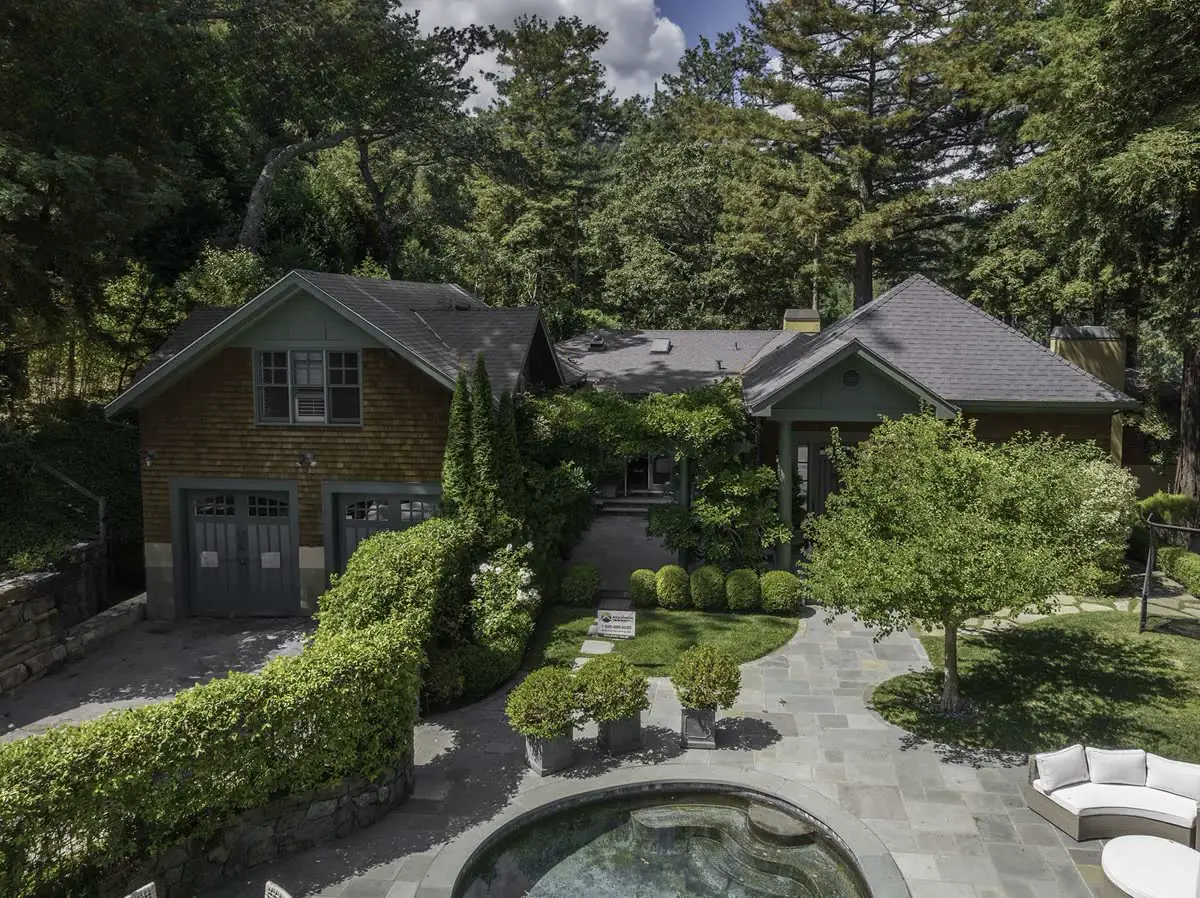
Commercial Roofing in St. Petersburg, Step by Step
- 01
Send the Address
We measure the roof from high-resolution imagery and check the permit authority for the parcel.
- 02
Free Inspection
Drains, seams, curbs, parapets and wet areas checked and photographed into your portal.
- 03
Quote and Schedule
Good, Better and Best options with the work plan, signed from your phone, price locked once sent.
- 04
Installed and Warrantied
Permit pulled in our name, inspections passed, cleanup done and a 15-year workmanship warranty in writing.
Not sure whether the roof needs work yet? Start with a roof inspection. Own a home here as well? Our residential roofing page covers houses, and we also work on commercial buildings in nearby towns such as Pinellas Park and Gulfport.
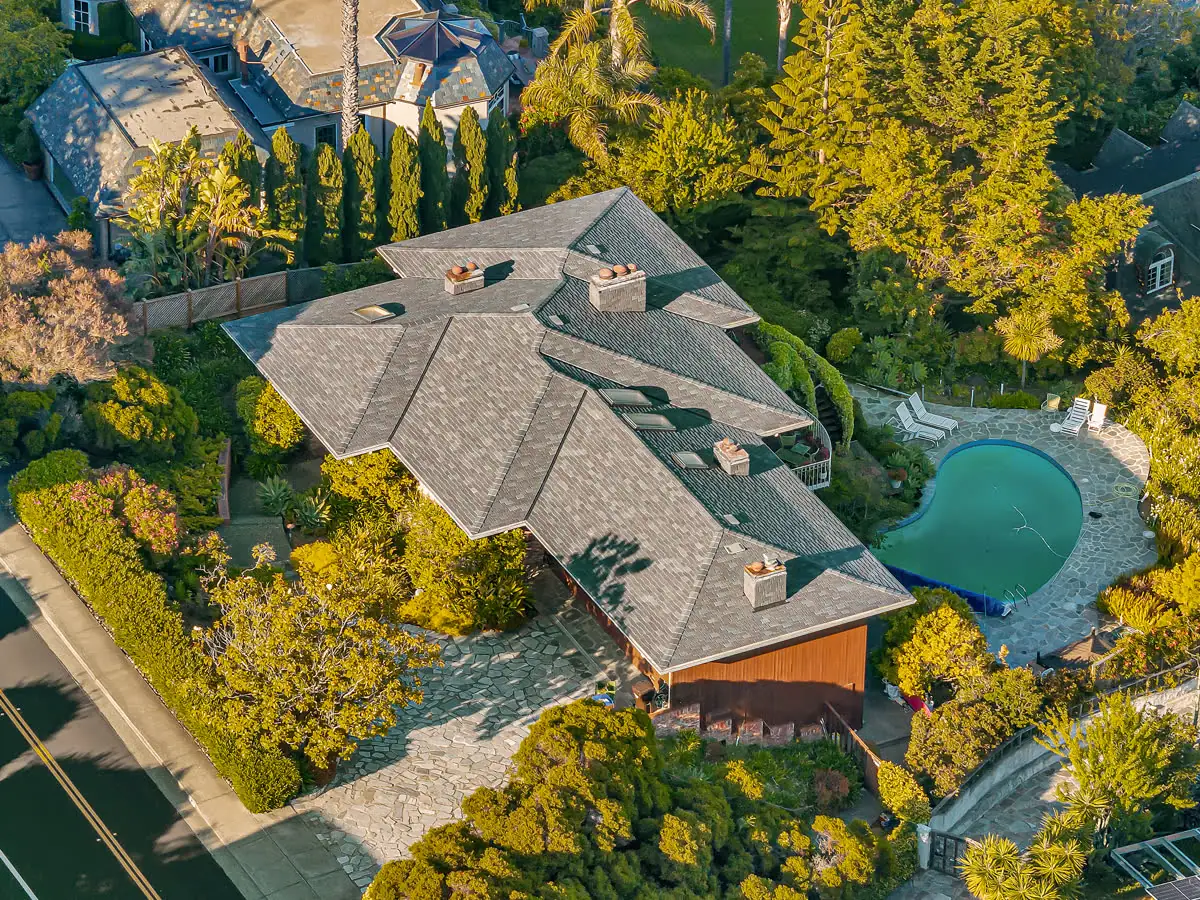
Roofs We're Proud Of
Year workmanship warranty in writing, on top of the manufacturer's warranty on your materials.
Every permit filed by us, every roof built to the Florida Building Code. No forms for you.
The old roof is hauled off and a magnet sweeps the lawn and driveway for nails before we go.
Florida certified roofing contractor CCC1336568, with liability insurance and workers' comp.
Photos, permit, warranty and invoices saved together for as long as you own the home.
Commercial Roofing Questions in St. Petersburg
What Kinds of Commercial Buildings Do You Roof in St. Petersburg?
Storefronts, strip centers, offices, restaurants, churches, small warehouses and multifamily buildings. Flat, low-slope and pitched roofs, and the many buildings that mix all three.
Do You Apply Roof Coatings?
No. When a membrane has reached the end of its life we tell you, and we quote a repair or a new roof system. We don't sell coatings as a substitute for either.
Does My Building's Flood Zone Change Anything About the Roof?
It can. If the building sits in the Special Flood Hazard Area and was damaged, the city adds up all repair costs, the roof included, and compares the total to 49% of the structure's pre-damage market value. We help you see where your project lands before you sign.
My Building Is Downtown. Is It in a Historic District?
Downtown St. Petersburg is a National Register district. On its own, that listing places no restrictions on a private owner's alterations unless federal money is involved. A local landmark or a property in a local district is different and needs a Certificate of Appropriateness before the roof changes.
Can Tenants Keep Working While the Roof Is Replaced?
In most cases, yes. We agree the schedule, the staging area and the daily cleanup with you before work starts, and write it into the quote so you can share it with tenants.
Do You Offer Financing for Commercial Roofs?
Not for commercial projects. The quote gives you Good, Better and Best options, and the price is locked once we send it.
Who Deals with the Insurance Company After Storm Damage?
You do. We give you a documented photo report of the roof that you can share with your insurer. The claim stays between you and them.
Get Your St. Petersburg Roof Measured, Free.
Enter your address. We'll handle everything else.