Roof Inspection in St. Petersburg, FL
Free, Measured First, Every Finding Photographed.
A free roof inspection in St. Petersburg that looks at your house for what it is. A Roser Park house, a postwar block house and a Snell Isle waterfront home wear out in different places, so we measure the roof from imagery first and then check the spots that matter for that roof.
Takes about 30 seconds. A local roofing specialist follows up the same business day.
What a Roof Inspection in St. Petersburg Turns Up, House by House
St. Petersburg grew in waves. Brick-street streetcar suburbs came first, then the 1920s boom. World War II training then brought more than 100,000 trainees to town, many of them stayed, and the housing shortage that followed filled in whole parts of the map. Waterfront fill, island streets and newer infill came after. So before we look at a single shingle, we want to know which wave your house came from.
Homes built before 1940. Roser Park, Kenwood, the Old Northeast and the older neighborhoods north of downtown are where many of them stand. On these roofs we commonly find wood plank decking, steep pitches and a covering laid over decades of earlier fixes. Porch roofs and chimneys meet the main roof at odd angles, and that old flashing is often the first thing to fail. In Granada Terrace, the deed restrictions called for Mediterranean Revival houses, and many still have Spanish tile roofs or parapet caps. There the inspection covers the parapet walls and the flat sections hiding behind them, along with the tile itself.
The postwar homes. A big share of the city’s houses went up in the years after the war. Here we spend time on low-slope sections, flat-roof additions tacked on later, rubber pipe boots split by the sun, and how the roof framing is tied down to the walls. That last item matters more than most owners expect when the roof is eventually replaced.
Bayfront and flood-zone homes. Snell Isle opened in October 1925 on filled bay bottom. During Helene, bay water covered Snell Isles, Shore Acres, Coquina Key, Venetian Isles and Weedon Island. On houses like these we check nails, drip edge and metal trim for salt-air rust, look for lifted edges on the side that faces open water, and note soffit or fascia damage where the surge came up high.
Newer infill. A house built on a cleared lot in the last couple of decades usually needs the least. When one leaks, the cause tends to be a skylight, a wall flashing detail or a hot attic baking the covering from below, not a roof at the end of its life.
Where the Trouble Usually Is, by Type of Home
- Before 1940Plank decking, tired flashing at chimneys and porch tie-ins, parapets and tile on Mediterranean Revival homes
- Postwar homesLow-slope sections, flat additions, sun-cracked pipe boots, how the roof is tied to the walls
- Bayfront and flood zoneRusted nails and drip edge, lifted edges facing the water, soffit and fascia damage after surge
- Newer infillSkylight and wall flashing, attic heat, ventilation that cooks the covering from below
Measured From Imagery Before Anyone Climbs
As soon as you send your address, we measure the roof from high-resolution satellite imagery: each plane and its pitch, plus every ridge, hip and valley. Nobody has to drag a tape across your roof. The visit goes to things a picture from above can’t tell us, like how the decking feels underfoot, whether the seals still hold, and what the flashing looks like up close.
The measurements pay off later too. If the roof does need work, the numbers already exist, so a repair quote or Good, Better and Best replacement options can follow without a second trip. Once we send a price, it stays locked.
Florida’s 15-Year Roof Rule and Your Homeowner’s Policy
Plenty of St. Petersburg owners first think about roof age when a renewal notice arrives. Florida Statutes 627.7011(5) sets the limits. An insurer may not refuse to issue or renew a homeowner’s policy on a roof less than 15 years old solely because of its age.
At 15 years or older, the rules shift. You can have an authorized inspector check the roof at your own expense, and if that inspection shows five or more years of useful life left, the insurer can’t refuse the policy solely because of roof age.
The law leaves the question of who is authorized to the insurer, so call and ask before you pay for anything formal. Our free inspection is a sensible first step: you learn whether the roof is likely to clear that five-year bar, and you have photos either way. Your policy, and any claim on it, stays between you and your insurer.
Florida Statutes 627.7011(5), in Plain Terms
- Roof younger than 15 years
- An insurer may not refuse to issue or renew a homeowner's policy solely because of the roof's age
- Roof 15 years or older
- You can have an authorized inspector check it, at your own expense
- 5 or more years of useful life left
- If the inspection shows that, the insurer can't refuse solely because of roof age
- Who counts as authorized
- Ask your insurer before you book the formal inspection
Historic District Homes: Inspect Before You Apply
If your house is a local landmark or sits inside one of St. Petersburg’s local historic districts, the roof counts as a regulated exterior feature. City Code Section 16.30.070 requires a Certificate of Appropriateness before exterior changes, and “changes to walls, roof, or windows” is the first example it gives.
The approval path depends on what you plan to do. Keeping the same material and shape is a staff approval. Changing either one goes to the Community Planning & Preservation Commission for landmarks and contributing homes, while staff can approve it for non-contributing ones. The city’s design guidelines favor matching the original in composition, size, shape, color and texture, and they discourage changing a roof’s shape where the street can see it.
Many owners assume their whole neighborhood is regulated. It often isn’t. The Old Northeast is mostly the North Shore National Register district, and the city says a National Register listing doesn’t restrict a private owner’s alterations unless federal money is involved. Only small pieces of it are local districts: Granada Terrace, the 700 block of 18th Avenue NE, the 200 block of 10th Avenue NE and Welch’s Mediterranean Row. Kenwood is local in four sections. Roser Park has been a local district since 1987.
An inspection before you apply gives you dated photos of the existing material, its shape and its condition. That is the starting point for any matching decision. For questions about your status, the city’s historic preservation staff answer at [email protected].
City Approval for Roofs in Local Districts
- Same materials and shape
- Staff approval, for landmarks, contributing and non-contributing properties
- New material or shape, landmark or contributing
- Goes to the Community Planning & Preservation Commission
- New material or shape, non-contributing
- Staff can approve it
- After approval
- Permits must be pulled within 18 months
Bayfront Houses and St. Petersburg’s 49% Rule
St. Petersburg draws its flood-zone line at 49%. Inside the Special Flood Hazard Area, a building is substantially damaged when the combined cost of repairs and improvements reaches 49% of its pre-damage market value. That market value is the Property Appraiser’s structure value or an independent appraisal. The rule covers all repairs, even when flooding didn’t cause the damage.
The roof is part of that math. The city’s substantial improvement package lists re-shingling or re-tiling a roof and roof decking among the items to include, and the package itself is required once a job reaches 25% of the structure’s value. Cross 49%, and the whole building must be brought into compliance, which includes elevating it to the Design Flood Elevation.
For a waterfront house that took water during Helene, the roof estimate is one more line in a bigger total. An inspection that sorts what the roof needs now from what can safely wait helps you see where that total lands before you sign anything. Our storm damage page covers what to do right after a storm.
Substantial Damage in the Flood Zone
Buying an Older St. Petersburg Home
A seller’s disclosure rarely says how many roofs are stacked on the house or what the decking looks like. A general home inspector notes the roof from the ground or the ladder. We walk it, test the decking underfoot and photograph what we find, so you and your agent see the same thing.
Book it inside your inspection period. Two Florida code rules make the answer worth knowing before closing:
- The 25% rule. Under the Florida Building Code, Existing Building (Section 706.1.1), no more than 25% of a roof or roof section can be repaired or replaced in 12 months unless the whole system or section meets current code. If the existing roof was built, repaired or replaced under the 2007 code or later, only the part being worked on has to meet current code.
- Roof-to-wall connections. When a wood-deck house in the wind-borne debris region gets a new roof covering and its insured value or just valuation is $300,000 or more, roof-to-wall retrofits can be required. The cost is capped at a 15% increase over the reroofing cost, and homes originally permitted under the Florida Building Code are exempt. The city even schedules a “Retro Roof to Wall Connection” inspection for this.
Also check which office permits the address. A St. Petersburg mailing address can sit outside city limits, in places like Lealman, so look it up on pcpao.gov first.
Signs You Need a Roof Inspection in St. Petersburg This Month
Some roofs can wait for a routine look. Don’t wait on these:
- A ceiling or wall stain, however small. Water runs along the decking before it drips, so the opening is usually somewhere uphill. Our leak repair page explains how we trace it.
- Pieces of shingle, tile or trim in the yard. Milton recorded a 101 mph gust at Albert Whitted Airport and 18.88 inches of rain on the same station, which is the kind of storm that loosens things you can’t see from the driveway.
- Granules collecting at the downspouts, or shingles curling at the edges.
- Daylight in the attic, a musty smell, or decking that gives when you push on it from below.
- Flashing pulling away from a parapet or chimney.
- A letter from your insurer asking about the roof’s age.
If any of these is true, a repair inside city limits will need a permit. Roofing has no small-job exemption here. Emergency tarping after a storm is the one thing that doesn’t need one.
How a Free Roof Inspection in St. Petersburg Works
- 01
Send Your Address
The imagery measurement starts right away, before anyone drives out.
- 02
We Come Out, and We Don’t Pitch
The covering, flashing, pipe boots, vents, decking and gutters get checked and photographed, plus the attic if someone can let us in.
- 03
Your Photos Land in the Homeowner Portal
You see the hidden layers we found, our notes, documents and messages, all in one place you can share.
- 04
Work Only If You Want It
Any job we do carries a 15-year workmanship warranty in writing on top of the manufacturer’s, on a matched system from one manufacturer that we buy direct. You choose from Good, Better and Best options on your phone, with monthly payment options available, and the permit and cleanup are on us. Your schedule stays in the portal. We’re a Florida certified roofing contractor, license CCC1336568, with liability and workers’ comp coverage.
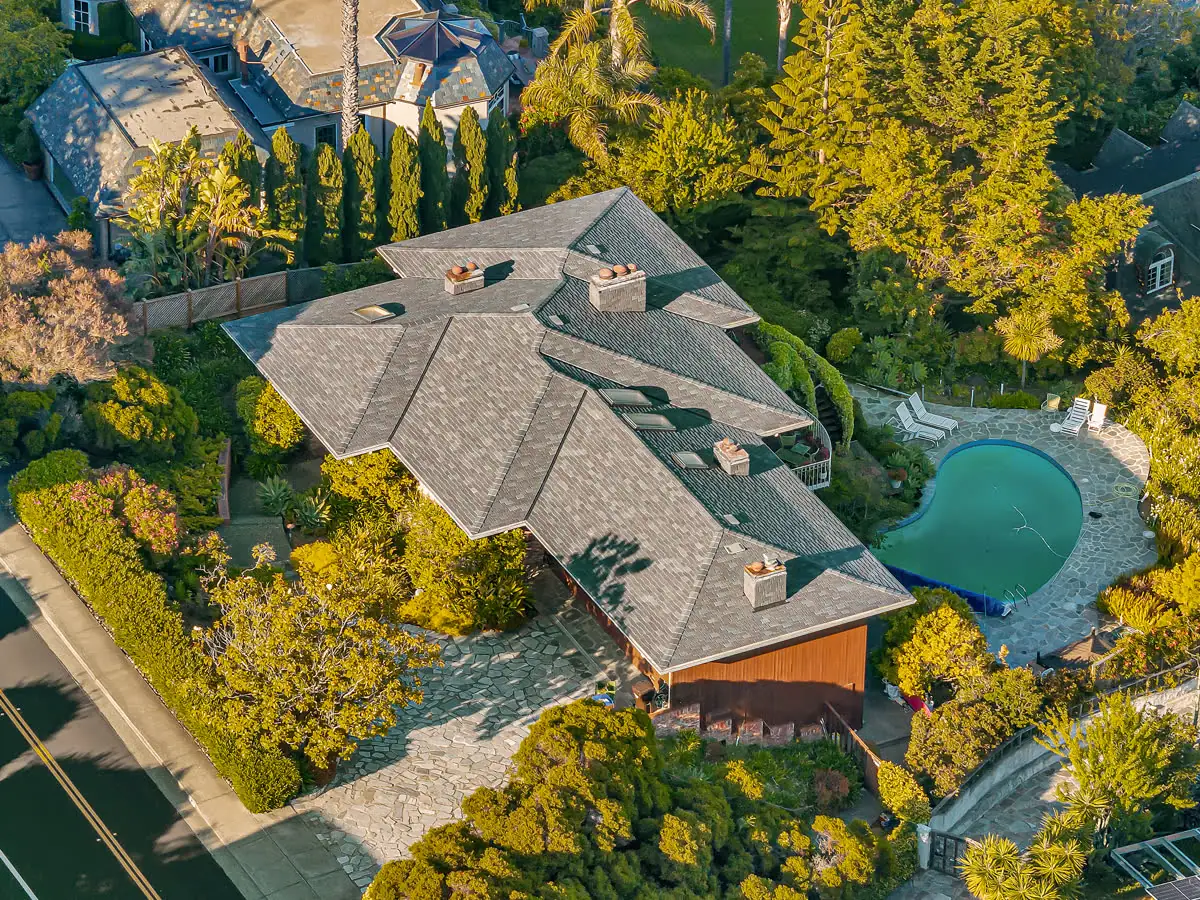
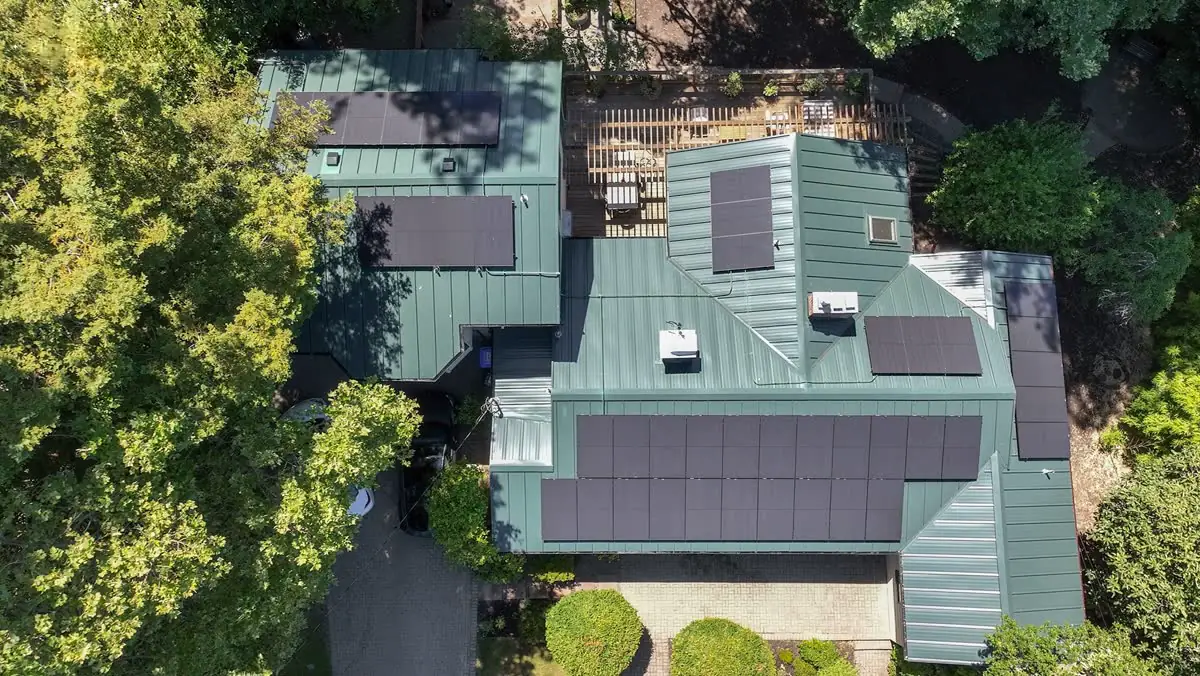
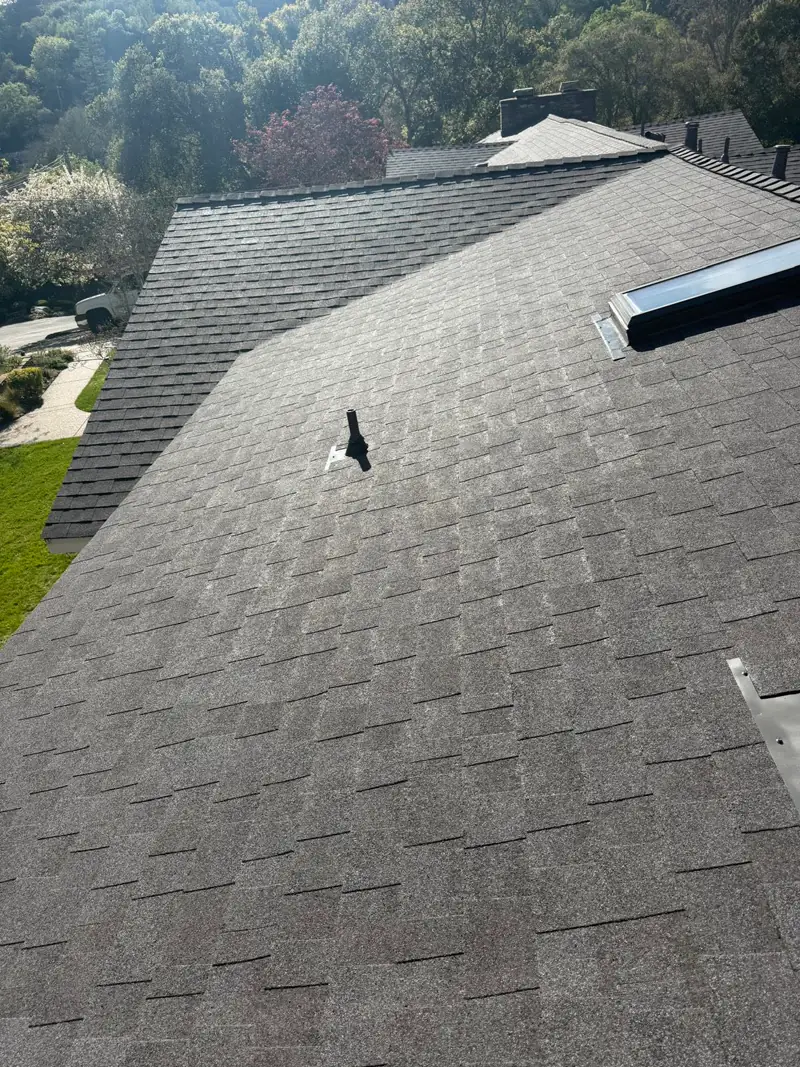
Roofs We're Proud Of

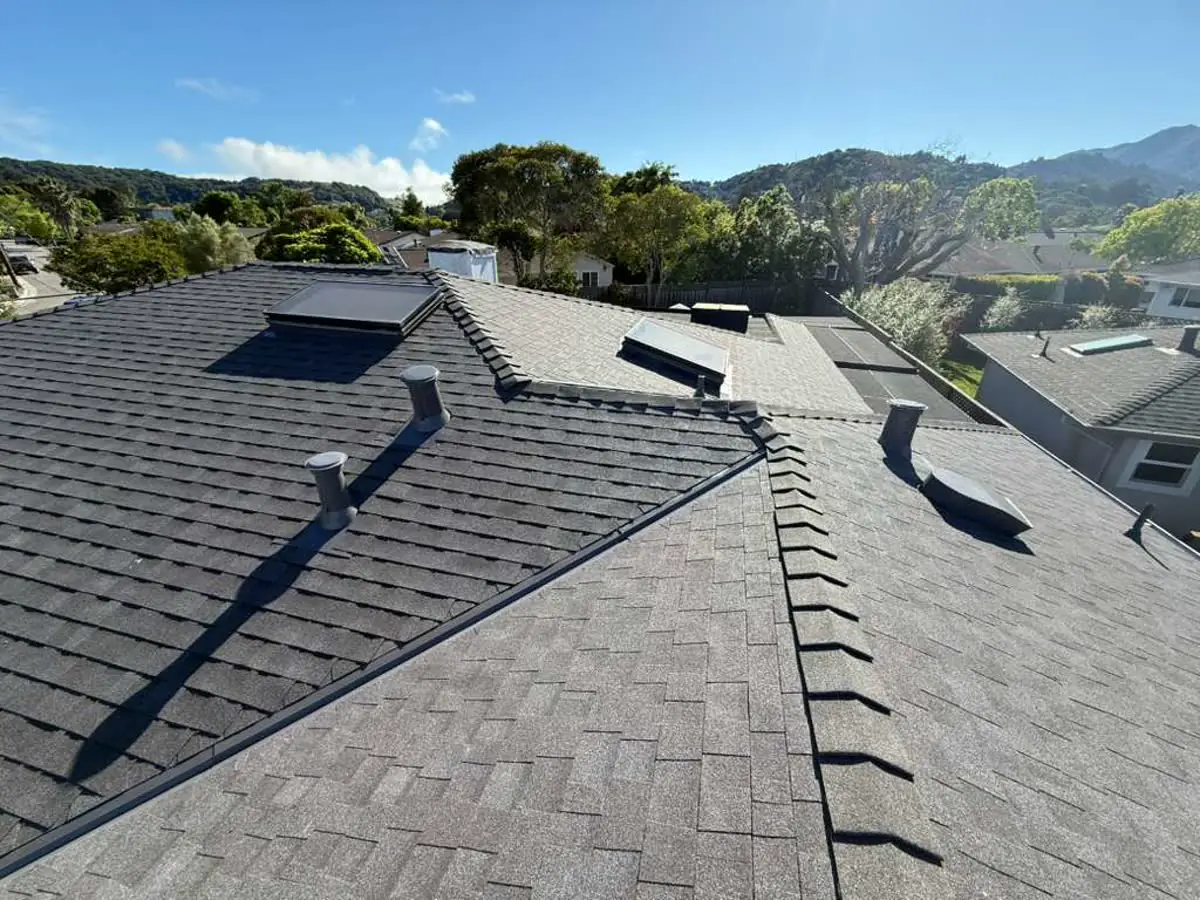
Year workmanship warranty in writing, on top of the manufacturer's warranty on your materials.
Every permit filed by us, every roof built to the Florida Building Code. No forms for you.
The old roof is hauled off and a magnet sweeps the lawn and driveway for nails before we go.
Florida certified roofing contractor CCC1336568, with liability insurance and workers' comp.
Monthly payment options let you replace the roof now and spread out the cost.
St. Petersburg Roof Inspection Questions
Does a Roof Inspection in St. Petersburg Cost Anything?
No. The imagery measurement, the visit and the photo report are free, and nothing obliges you to hire us afterward.
Does the Repair After an Inspection Need a Permit?
Inside city limits, almost always. Roofing is not on the city's list of work exempt from permits, and the new under-$7,500 exemption form for single-family homes leaves roofing out by name. Storm repairs need a permit too, though emergency tarping does not. When we do the work, the permit is pulled in our name.
My Mailing Address Says St. Petersburg. How Do I Know Who Issues My Permit?
Search the address on the Pinellas County Property Appraiser site, pcpao.gov. Lealman, Tierra Verde and Feather Sound are unincorporated, so Pinellas County issues their permits, and Gulfport runs its own building department. Our [Lealman page](/roofing-company-lealman-fl/) covers the county side.
Will Your Inspection Count for My Insurer Under the 15-Year Rule?
That is your insurer's call, since the law speaks of an authorized inspector. Ask which inspectors and forms it accepts. Our free inspection still tells you early whether the roof is likely to show five more years of life.
Can You Help with My Insurance After a Storm?
You get a documented photo report of the damage that you can share with your insurer. The claim itself stays between you and your insurance company.
My Home Is in Kenwood. Does the City Have to Approve a New Roof?
Only if the house sits in one of Kenwood's four local sections, or is a local landmark. Kenwood as a whole is a National Register district, which doesn't restrict private alterations on its own. In a local section, the same material and shape is a staff approval, and a change goes to the Community Planning & Preservation Commission for contributing homes.
Do You Walk on Clay or Concrete Tile?
As little as possible. Tile cracks under a bad step, so we stay on the strong points, photograph the rest from the edge, and lean on the imagery for the overall layout.

Get Your St. Petersburg Roof Measured, Free.
Enter your address. We'll handle everything else.